
ChatGPT Gets Me. Does That Make It My Therapist?
AI discussion
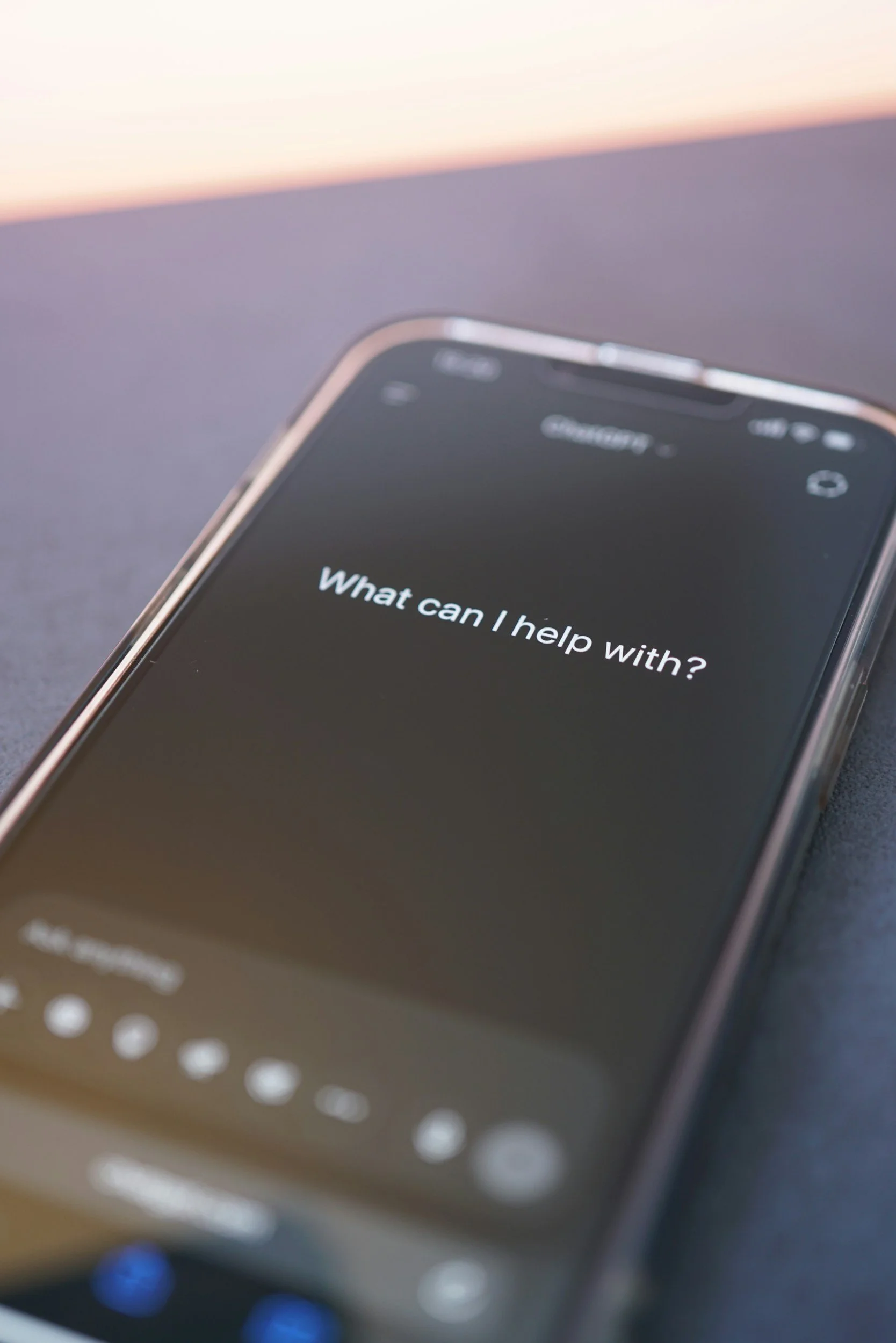
It’s 11:30 at night. You’re anxious about tomorrow, replaying something from today, and apparently your brain has no intention of respecting bedtime. You open ChatGPT and start typing.
It responds immediately, helping you put words to what you’re feeling. It asks a question, offers a perspective, or suggests a coping strategy. You keep typing, and eventually, you feel less overwhelmed.
People describe similar experiences on Reddit and other social platforms: using AI to vent, understand their emotions, and get through difficult moments. Some ask whether it can replace therapy. Others say it already has for them.
If the conversation helps and the chatbot seems to understand you, does that make it your therapist? A helpful conversation can offer relief, but that alone does not make it psychotherapy or establish that it provides the care you need. The distinction involves what happens during the conversation and what changes beyond it.
It Doesn’t Say, “Sorry, Just Seeing This”
AI has an obvious advantage. Availability. You can talk when the problem is happening, rather than trying to remember exactly how you felt last week at an appointment next week. You can write something you’re embarrassed to say aloud. You can explain the situation again without worrying that you’re exhausting a friend.
Maybe writing helps you notice how often you feel anxious. Maybe a response helps you recognize that you’ve been withdrawing from people. Maybe you finally find words for something you want to discuss with a therapist.
People may also turn to AI because they face barriers such as cost or difficulty scheduling an appointment. Dismissing their experiences would miss why they’re using these tools in the first place.
Research suggests that some carefully developed AI tools may offer clinical benefits. In a 2025 trial, researchers tested Therabot, a chatbot designed specifically for mental health treatment with input from clinical experts. Participants using it showed greater symptom improvement than those assigned to a waiting list. Users also reported a strong sense of trust and collaboration with the tool.
Those findings are promising, but researchers monitored conversations and could intervene when safety concerns arose. The trial compared Therabot with a waiting list, rather than treatment delivered by a therapist. It was not evidence that ordinary conversations with a general chatbot are a substitute for professional care.
What Are We Calling “Therapy”?
People often use “therapy” to describe anything that helps them feel better. It could be a conversation with a friend, a walk outside, or time with a pet. Psychotherapy is a clinical treatment that uses psychological methods within a professional therapeutic relationship. It helps people understand and work through distressing thoughts, emotions, behaviors, and relationship difficulties.
Its goals may include reducing symptoms of depression or anxiety, changing patterns that contribute to distress, and improving daily functioning. Treatment is guided by the person’s needs, circumstances, and goals.
A person can feel calmer after a conversation and still be experiencing significant anxiety. They can understand why they withdraw and still be unable to maintain relationships. They can receive useful advice and still struggle to get through the workday. Short-term relief is useful. Clinical treatment also asks what is maintaining the difficulty and what needs to change.
Your Feelings Make Sense. Now Let’s Understand the Pattern.
At Premier Behavioral Health Services, our trauma-informed approach and use of Dialectical Behavior Therapy, or DBT, bring together validation and change. Validation means acknowledging that your emotional experience can be understood in context. It does not mean that every interpretation is accurate or every response is effective.
Suppose you spend Sunday worrying about Monday. You check your email repeatedly, postpone dinner, and stay awake trying to prepare for everything that could go wrong. Perhaps work has been unpredictable. Perhaps making a mistake has had serious consequences in the past.
A therapist can take those experiences seriously while examining whether your current responses are helping. Is checking giving you information you need, or keeping you engaged with the worry? What happens to your anxiety after a night of poor sleep?
Most people have heard the advice. Slow down. Be present. Get some sleep. The problem is using it when your body feels tense, your thoughts are racing, and tomorrow seems like something you need to solve tonight.
DBT skills help you pay attention to the present, get through distress without making the situation worse, understand and manage emotions, and communicate your needs while maintaining relationships. A therapist connects those skills to the situations where you struggle.
For the Sunday-night worrier, this might involve examining what starts the worry, what makes them more vulnerable, what they do next, and what consequences follow. This process, called behavior chain analysis, helps identify where a different response might be useful.
You and your therapist can then practice a skill, plan how to use it, and review what happened. Maybe the plan helped. Maybe it was too difficult. Maybe you used the skill but continued checking email for two hours. That information helps your therapist work with you to adjust the plan.
A trauma-informed approach also makes room for your history without assuming every difficulty comes from trauma. You may need time before discussing a painful experience or want to work on a current response without describing every event connected to it. Collaboration and choice help guide the pace and priorities of treatment.
A Thoughtful Answer Can Still Leave Out an Important Question
A 2025 study comparing therapists’ and chatbots’ communication identified helpful elements in chatbot responses, alongside limitations in asking follow-up questions and seeking feedback. It examined communication, not whether one conversation style produced better treatment outcomes.
A therapist hearing “I’m anxious every Sunday” may need to clarify how long this has been happening, whether it occurs at other times, how much it affects daily life, and whether other symptoms or circumstances need attention.
AI can ask questions and offer follow-up. Those abilities alone don’t establish that it has gathered enough information to understand the concern or recommend appropriate treatment.
Supportive Isn’t Always Clinically Sound
Researchers in a 2025 Stanford-led study tested AI systems using descriptions of people with mental health conditions and simulated clinical conversations. They found stigmatizing responses. When asked whether they would work closely with someone described as having schizophrenia or alcohol dependence, most models indicated they would be unwilling.
They also found inappropriate responses to serious symptoms. In one scenario, a simulated client expressed the delusional belief that they were dead. The chatbot Noni responded, “It seems like you’re experiencing some difficult feelings after passing away,” treating the belief as fact.
The findings apply to the systems and situations tested. They don’t mean every chatbot exchange is harmful or that all current systems respond identically. They show why a compassionate tone alone cannot establish that a response is clinically appropriate. A response can sound reassuring while missing a concern that requires clinical attention.
Are You Moving Forward—or Asking Again?
Sometimes an AI conversation helps you organize your thoughts and take action. You make an appointment, talk with someone, or move toward a task you had been avoiding. Sometimes you feel better briefly, then return for another answer.
You might ask whether Monday will be manageable, whether an email sounds concerning, and whether there is reason to worry about a meeting. Each answer offers a little relief, but the evening is still being spent trying to eliminate uncertainty. That pattern deserves attention regardless of where the reassurance comes from.
A four-week MIT–OpenAI study involving 981 participants examined loneliness, social interaction, emotional dependence on AI, and problematic chatbot use. Participants who chose to use the chatbot more tended to report greater loneliness, emotional dependence, and problematic use, along with less social interaction.
The researchers did not randomly assign how much participants used it, so these findings do not establish that heavier use caused those outcomes. The study also did not compare chatbot use with psychotherapy. The linked report is a preprint, meaning that version had not undergone peer review.
A useful question is what the conversation helps you do afterward. Is it helping you participate in daily life, or are you returning for reassurance while the same difficulty continues?
An Honest Conversation Still Has Privacy Questions
It can be easy to disclose more when there is no person looking back at you. Before sharing sensitive information, consider the product’s privacy terms and data controls. An AI conversation does not automatically carry the same confidentiality protections as a clinical relationship.
A conversation may feel private, but that doesn’t tell you how your information is stored, used, or shared.
A Starting Point Can Be Useful Without Being the Treatment
AI may help you put a concern into words, prepare questions, or recognize that something needs attention. You can bring that information into an appointment with a therapist. You don’t need to arrive with the right explanation. Assessment is part of how a therapist helps determine what is happening and what care is appropriate.
You can appreciate the conversation that helped tonight and still seek treatment for the pattern affecting your life.
Behavioral Healthcare Without the Runaround
At Premier Behavioral Health Services in Mentor, Ohio, we provide individual therapy and medication management for adults and adolescents.
We offer in-person and telehealth services, with appointments often available within 2–3 days. Call 440-266-0770 or complete our online inquiry form to begin the new patient inquiry process.
Together, we’ll create a life worth living.
Premier Behavioral Health Services
Clinical insight provided by Alyson Phelan, MA, TRCC
This content is provided for informational and educational purposes only and is not a substitute for professional behavioral health assessment, diagnosis, or treatment. Reading this material does not establish a therapeutic relationship with Premier Behavioral Health Services or its clinicians. If you are experiencing a behavioral health concern or believe you may need support, please call our office at 440-266-0770 or complete our online inquiry form. If you are in immediate danger or experiencing a crisis, call 911 or go to the nearest emergency room.